Carleton Alum Advances Pediatric Cancer Research at MD Anderson
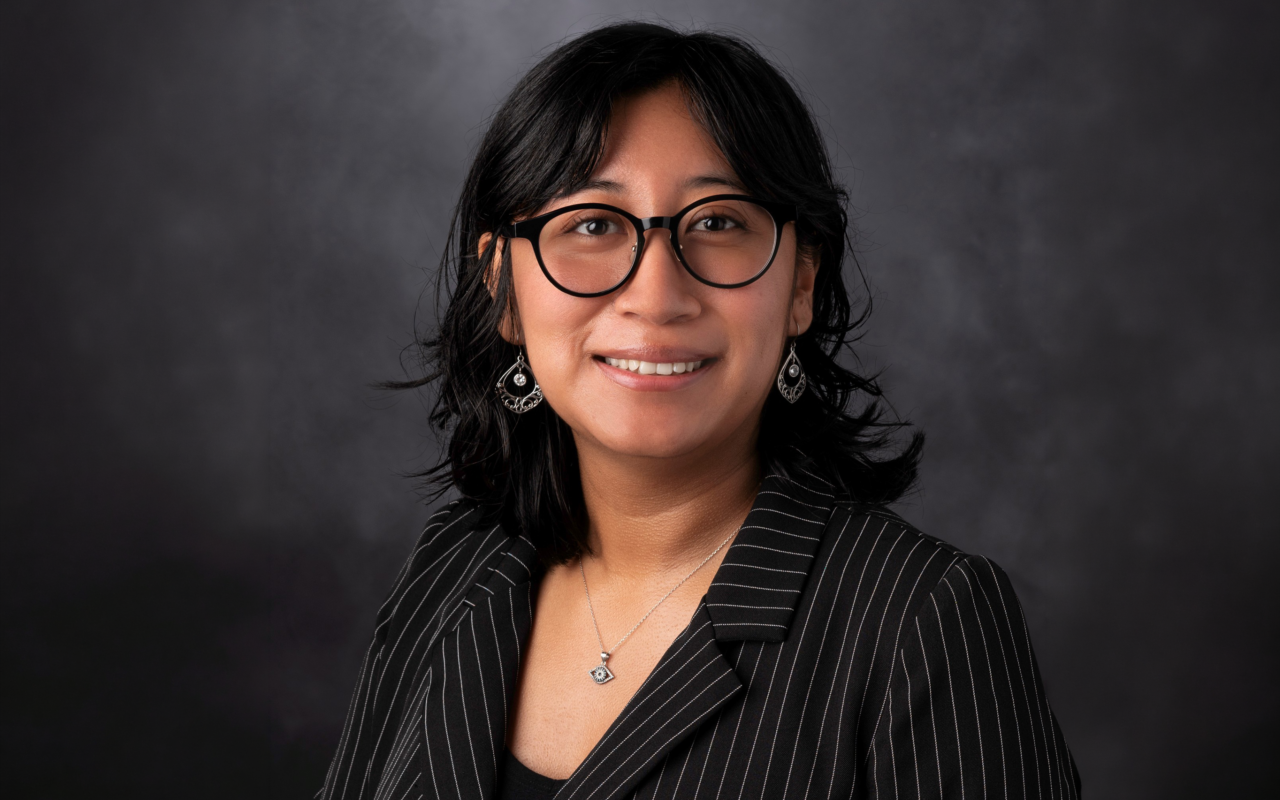
Posse Houston alum Evelyn Ponce, a recent graduate of Carleton College, spent the summer at MD Anderson Cancer Center contributing to research focused on one of the most aggressive forms of pediatric cancer.
A chemistry major at Carleton, Evelyn worked in a laboratory studying diffuse midline glioma (DMG), a rare and lethal brain tumor most often diagnosed in children ages 6 to 9. With a median survival of less than 12 months, DMG is particularly difficult to treat.
The research team is exploring an innovative approach that uses a modified virus to target cancer cells. The treatment is designed to enter the cells, reproduce inside them and ultimately cause them to die. Evelyn supported the research through hands-on laboratory work, including preparing cells for experiments and analyzing the results.
“I was drawn to this research since I had never heard of infecting patients with a virus for the goal of making them better,” says Evelyn. “It was an interesting concept that I wanted to understand more of, especially for a pediatric cancer so lethal.”
The opportunity also connected with an interest Evelyn has carried throughout her academic journey. Before choosing research as her career path, she considered becoming a pediatrician. As she began exploring scientific research, she intentionally sought opportunities that aligned with her interest in working with children.
“This topic, and those specific patients, made this a perfect fit,” says Evelyn. Although the research was central to her experience, Evelyn found the laboratory’s collaborative environment especially meaningful.
“After weeks of learning about each person’s research project and ideas, and attending events together, I saw the team bond behind innovation,” she says.
Evelyn’s experience at Carleton prepared her to navigate unfamiliar areas of science at MD Anderson. As a chemistry major, she entered the laboratory with limited knowledge of some of the biological processes involved in the research.
“I knew how to find the right readings, get the main points, and delve into questions I still had,” she says.
Those skills helped Evelyn learn more quickly than she expected. As her confidence and knowledge grew, she began leading presentations to update the laboratory team on the project’s progress.
Evelyn will soon move from Houston to Massachusetts to work as an associate scientist at AbbVie through PPD, Thermo Fisher Scientific’s pharmaceutical development division. In the role, she hopes to explore how chemistry is applied in large-scale pharmaceutical research and gain experience collaborating across teams.
Looking ahead, Evelyn plans to pursue a Ph.D. in organic or medicinal chemistry. Her experiences at Carleton and MD Anderson have strengthened her curiosity and independence while changing how she approaches learning and professional growth. Rather than waiting for opportunities to come to her, she has learned to create them—whether by shadowing a colleague, mastering a new technique or accepting an opportunity to present.
“My experience at MD Anderson taught me that my learning is in my own hands,” says Evelyn. “Stepping out of my comfort zone this way ensures I learn and grow.”