Pomona Alum Launches Beta Card Game to Foster Conversations About Youth Health
When young people living in transitional housing told Dre Turton they wanted a safe, judgment-free place to talk about sexual health, Dre listened.
Those conversations became No Shame Fair Game: Truth or Trivia, a card game designed to encourage discussions about identity, consent, healthy relationships, sexually transmitted infections, anatomy and other topics young people said they rarely had the opportunity to explore openly.
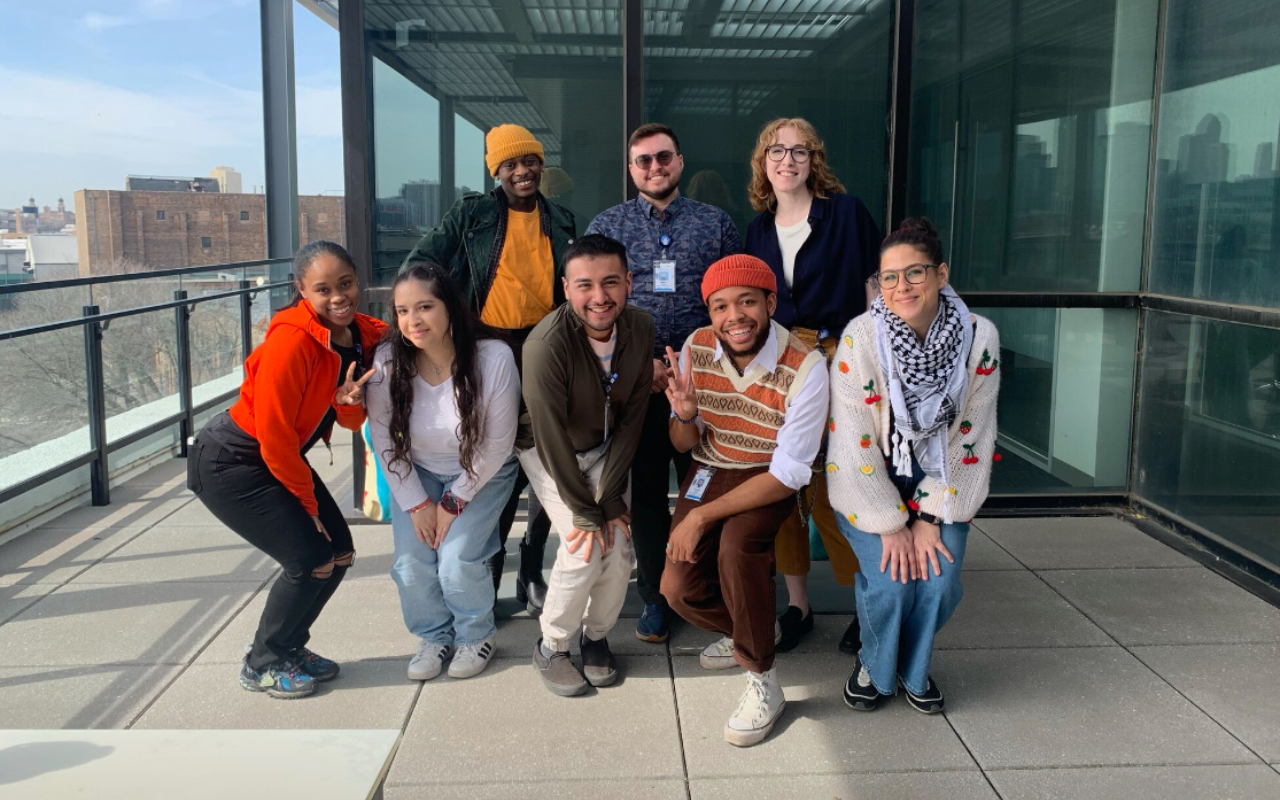
The idea emerged through Youthink, an innovation initiative focused on adolescent health care, where Dre partnered with colleagues and young adults in transitional housing to conduct empathy interviews. Two themes surfaced repeatedly: young people wanted safe spaces to talk with peers and trusted adults, and the professionals serving them often lacked the time and resources to facilitate those conversations consistently.
Today, No Shame Fair Game exists as a prototype and Dre and the team have applied to an accelerator program with the goal of developing the project into a fully produced resource with facilitation guides for educators, health professionals and community organizations.
The goal is to bring the game into classrooms, clinics, community organizations and family dinner tables.
After graduating from Pomona College in 2019 with a degree in psychology and a minor in Africana studies, Dre returned to Posse as a trainer, working with Scholars headed to Oberlin College, Connecticut College and Trinity College.
"Being a trainer created opportunities to understand what each Scholar needed to succeed—not only academically, but personally," says Dre.
Today, Dre serves as senior program coordinator at Ann & Robert H. Lurie Children’s Hospital of Chicago, teaching health education in Chicago high schools and facilitating workshops on identity, accessibility and advocacy in schools, clinics and community spaces.
The work is also personal. Dre grew up with sickle cell disease and spent years as a patient at Lurie. Watching the hospital become increasingly committed to equitable care inspired Dre to help create the kind of adolescent-friendly environment they once needed.
"Growing up on Chicago’s South Side, conversations about sexual health rarely happened openly. It wasn’t until becoming a Posse Scholar that those conversations became part of everyday life," says Dre.
If No Shame Fair Game receives additional funding, Dre hopes to expand the project with modules focused on mental health, disability and substance use, as well as an age-appropriate version for younger teens.
"The goal is to bring the game into classrooms, clinics, community organizations and family dinner tables."