Bucknell Scholar Advances Food Sovereignty Through Baltimore Internship
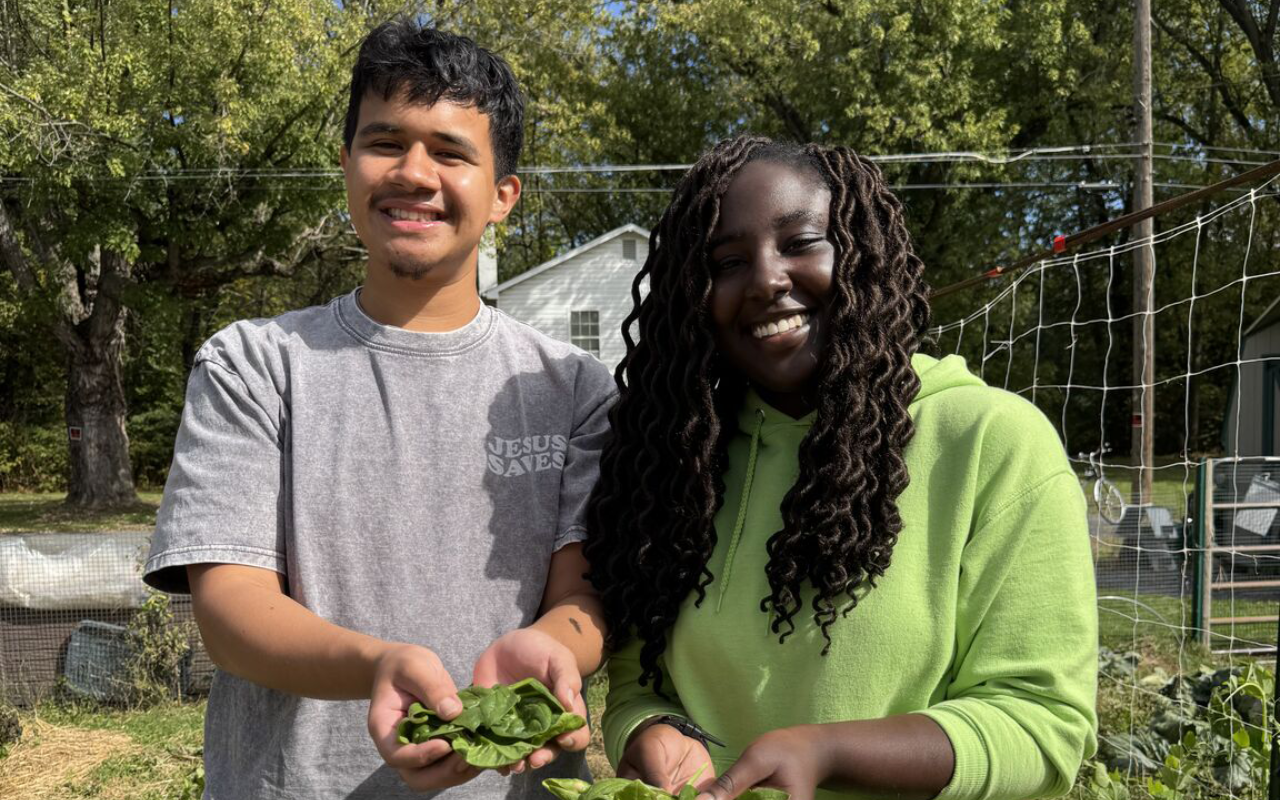
Bucknell University Posse Scholar Kekoa Quisano spent the summer helping Baltimore communities strengthen their connections to locally grown food. As an intern with the Black Church Food Security Network, he tended church gardens, led educational tours and helped supervise a cohort of high school interns learning about agriculture and community history.
Kekoa worked primarily with Operation Higher Ground, maintaining demonstration gardens at churches across the city by planting, weeding, mulching, watering and harvesting. His volunteer tours introduced visitors to urban gardening within the context of Baltimore’s history, while monthly Baltimore Farm Alliance gatherings connected him with Black farmers, urban agriculturalists and food-security advocates. He also helped organize the coming year’s calendar for four network programs.
The work expanded on an interest in food and culture that began before college. In high school, Kekoa served on the LAUSD Asian Pacific Student Council, founded a Pacific Islander Club and helped the Cultural Cuisine Club grow from a school event into a larger Wilmington-area celebration featuring food and cultural dance performances.
As a first-generation college student, Kekoa had not always imagined himself in higher education. Visiting Bucknell through Posse changed that perspective.
"As a first-gen student, collegiate spaces weren’t thought of, even if you complete high school," says Kekoa.
At Bucknell, a first-year course titled Food, Faith and Justice introduced him to food sovereignty, the principle that communities should have greater control over how food is grown, distributed and accessed. A seven-day course visit to Baltimore included a protest opposing cuts to SNAP benefits and study of the history and theory of food access in marginalized communities. The experience connected Kekoa’s interest in civil rights and social systems with environmental studies, regenerative agriculture and community-based food systems.
Kekoa majors in education and minors in environmental studies and food systems. He continued exploring those interests as an apprentice at the Bucknell Farm and through independent research on the role community gardens can play in supporting food security. Those experiences eventually led him back to Baltimore and the Black Church Food Security Network, which works with more than 300 Black churches nationwide.
Because the internship was unpaid, the Posse Summer Leadership Award covered housing, food and transportation. The support allowed Kekoa to accept an experience that confirmed his interest in nonprofit food-sovereignty work and his long-term goal of creating a Los Angeles organization that introduces young people to food systems and agricultural careers.
The summer also strengthened Kekoa’s understanding of leadership as collective work grounded in service.
"Ultimately, you need a team, and you need collaboration to achieve anything," says Kekoa. "It has to be service. That’s what leadership is."